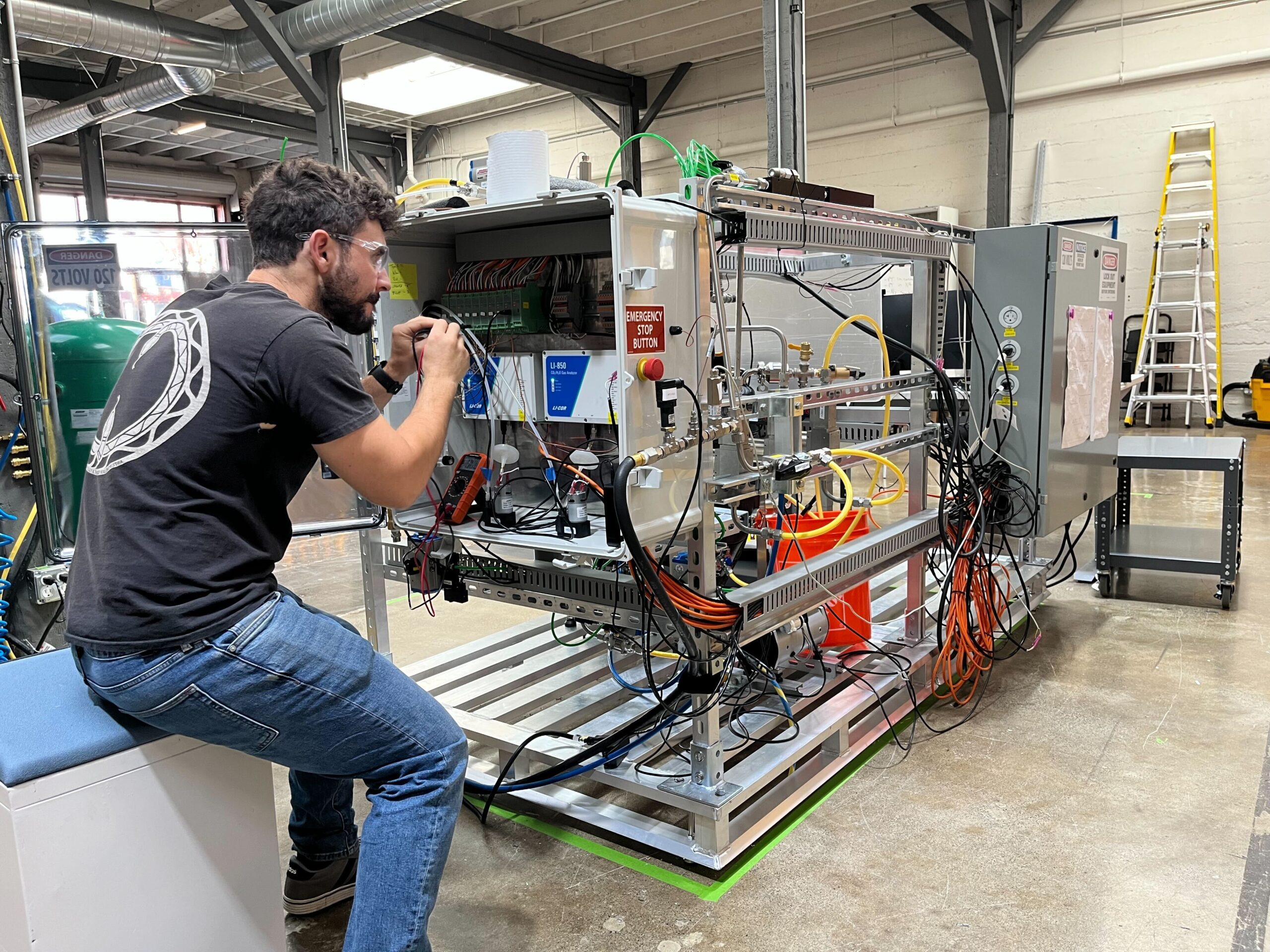
Electricians are quietly becoming some of the most in-demand workers in the world, and most people don’t even realize it. While everyone is chasing tech jobs, countries are scrambling to keep their lights on, power new housing estates, install solar systems, and maintain factories. And guess what? They don’t have enough skilled hands.
That’s where electrician jobs abroad come in.
From Canada to Australia, Germany to the Middle East, governments and companies are actively looking beyond their borders for trained electricians. Not because they want to, but because they have to. Aging workforces, massive construction projects, renewable energy expansion, and infrastructure upgrades have created a serious skills gap.
If you’ve ever wired a building, installed panels, fixed industrial machines, or handled electrical maintenance, you may be holding a skill that can literally take you across borders, legally, with visa sponsorship, and with a paycheck that actually reflects your value.
So let’s break it down calmly and honestly.
Types of Electrician Jobs Abroad Open to Foreigners
One common mistake people make is assuming electrician work abroad is “one thing.” It’s not. There are several categories, and knowing where you fit can save you years of trial and error.
Residential Electrician Jobs Abroad
These electricians work in homes, apartments, and housing estates. Think wiring new houses, fixing faults, installing sockets, lighting, CCTV, and smart home systems. Countries with housing shortages — like Canada and Australia — are constantly hiring in this category.
Commercial Electrician Jobs Abroad
This involves offices, malls, schools, hospitals, and hotels. It’s more structured than residential work and often pays better. Many foreign electricians start here because commercial standards are easier to assess and document.
Industrial Electrician Jobs Abroad
This is where the big money usually sits. Industrial electricians work in factories, plants, warehouses, and heavy industries. You deal with machines, motors, control panels, and automation systems. If you have experience here, you’re already ahead.
Maintenance Electrician Jobs Abroad
Instead of building new systems, you maintain and repair existing ones. Hospitals, airports, manufacturing plants, and government facilities rely heavily on maintenance electricians. These roles are stable and often long-term.
Renewable Energy and Solar Electrician Jobs Abroad
This is one area exploding fast. Solar farms, wind energy projects, EV charging stations, all need electricians. Countries pushing green energy are actively recruiting foreigners with solar or renewable experience.
Top Countries Offering Electrician Jobs Abroad With Visa Sponsorship
Now let’s talk destinations, the places where electrician jobs abroad are not just available, but actually accessible to foreigners.
Canada
Canada is one of the most welcoming countries for skilled trades. Electricians appear frequently on provincial and national shortage lists. Many provinces allow electricians to arrive first and complete licensing after arrival, which is a big advantage.
Australia
Australia’s construction boom hasn’t slowed down. From housing to infrastructure, electricians are needed everywhere — especially in regional areas. Employer-sponsored visas and skilled migration pathways make Australia a top choice.
United Kingdom
The UK faces a serious shortage of skilled trades due to an aging workforce and increased construction demand. Electricians are needed in housing, hospitals, and public infrastructure. Many employers now sponsor foreign workers legally.
Germany
Germany is quietly opening its doors wider to skilled tradespeople. Electricians are in high demand, especially in industrial and renewable energy sectors. While language helps, some employers hire first and support language learning later.
New Zealand
Small population, big need. Electricians are on New Zealand’s skill shortage lists, particularly for construction and infrastructure projects. Visa sponsorship is common if you meet basic requirements.
Middle East (UAE, Qatar, Saudi Arabia)
If your goal is fast employment and tax-free income, the Middle East is hard to ignore. Mega projects, smart cities, and industrial developments require thousands of electricians, and companies frequently sponsor visas.
Average Salaries for Electrician Jobs Abroad
Let’s talk money, because dreams are nice, but bills are real.
Salaries vary by country, experience, and specialization, but here’s a realistic picture:
Canada: Electricians earn strong wages, especially with overtime. Industrial and maintenance roles pay more.
Australia: High hourly rates, with extra pay for night shifts and remote work.
UK: Solid annual salaries with stable working hours.
Germany: Competitive pay, plus strong worker protections.
Middle East: Tax-free salaries, often with housing or transport allowances.
One thing many people don’t realize? Overtime and allowances often make a big difference. Housing support, relocation bonuses, and shift work can push total earnings much higher than the base salary.
Requirements for Electrician Jobs Abroad
Here’s the truth, you don’t need to be perfect. You just need to be prepared.
Education and Training
Most countries care more about practical skills than degrees. Trade certificates, vocational training, or apprenticeships are usually enough.
Work Experience
Hands-on experience matters more than classroom knowledge. Even informal experience can count if documented properly.
Licensing and Assessment
Some countries require licensing before work, others allow you to work under supervision first. Assessment bodies evaluate your skills to ensure they meet local standards.
Language Skills
You don’t need to speak like a professor. You just need to communicate clearly, follow safety instructions, and understand basic workplace language.
Health and Background Checks
Standard medical exams and police clearance are part of the process — nothing unusual here.
Willingness to Adapt
This is the unspoken requirement. Different countries have different work cultures, safety rules, and expectations. Those who adapt quickly succeed faster.
Conclusion
Electrician jobs abroad aren’t just about leaving your country they’re about turning a practical skill into global opportunity. The world is short on electricians, and that shortage isn’t ending anytime soon. If you plan carefully, avoid shortcuts, and focus on the right countries, this path can change your income, your exposure, and your future in ways you may not have imagined, so the real question now is this,h are you going to keep sitting on your skill, or are you ready to let it take you places you’ve only ever seen online?