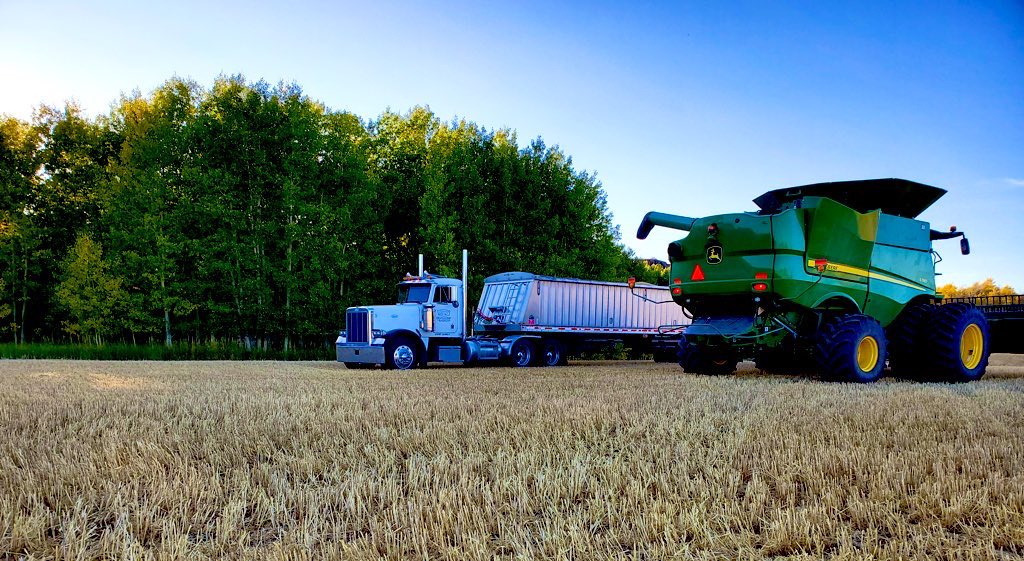
Let me ask you a simple question: have you ever imagined working abroad, earning in a stronger currency, and not worrying about rent, at least not immediately? Not everyone wants a fancy office, a suit, or a degree-heavy career. Sometimes, what people want is honest work, steady income, and a chance to breathe in a new country.
That’s exactly why farm jobs abroad have quietly become one of the most realistic opportunities for foreigners today.
I’ve seen people who never imagined leaving their home country suddenly harvesting apples in Canada, milking cows in New Zealand, or working in greenhouses in the UK, all with visa sponsorship and free or subsidized housing. No complicated degrees. No endless interviews. Just real work and real pay.
If you’re curious, tired, hopeful, or just exploring options, stay with me. Let’s break this down in a way that actually makes sense.
Benefits of Farm Jobs Abroad for Foreigners
This is where farm jobs abroad truly shine. They’re not perfect, but the benefits are very real.
One of the biggest barriers to working abroad is the visa. Most people get stuck right there. But many farm jobs abroad come with employer-sponsored visas.
Here’s how it works in simple terms:
Countries need farm workers. Local workers don’t apply. So governments allow farms to hire foreigners legally. The employer sponsors your work visa, meaning you don’t have to fight immigration alone.
In many cases, the farm handles the paperwork or guides you step by step. That alone removes a huge burden.
Free or Subsidized Housing
This part surprises many people. A lot of farm jobs abroad offer:
Free on-site accommodation, or
Very cheap housing deducted from salary
You’re often housed on the farm or nearby. No landlord stress. No deposit drama. For someone starting fresh in a new country, this is gold.
No High Education Requirements
This is one of the most beginner-friendly paths out there. Most farm jobs abroad don’t require:
University degrees
Fancy certificates
Years of experience
What they care about is your ability to work, follow instructions, and show up consistently.
Paid Overtime and Bonuses
Farm work follows seasons. During peak periods, hours increase, and so does pay. Many workers earn more through:
Overtime hours
Weekend work
Seasonal bonuses
Some people save more in 6–9 months of farm work abroad than they did in years back home.
Pathway to Permanent Residency (In Some Countries)
This is the long-term win most people don’t talk about enough.
In countries like Canada, Australia, and New Zealand, farm jobs abroad can become a stepping stone to:
Work permit extensions
Residency programs
Employer nomination pathways
It’s not automatic, but for those who stay consistent, it’s very possible.
Why Farm Jobs Abroad Are Beginner-Friendly
Let’s be honest, everyone starts somewhere. Farm jobs abroad are designed for beginners because:
Training is often provided on arrival
Tasks are repetitive and easy to learn
Teams are multicultural, so no one expects perfection
You learn by doing. That’s it.
Related Articles
Caregiver Jobs With Visa Sponsorship: Countries Hiring Now
Medical Billing and Coding Jobs Abroad With Visa Sponsorship
Types of Farm Jobs Abroad Available Today
There’s a lot more variety here than people expect.
1. Crop Farming Jobs Abroad
These are the most common and easiest to access.
Fruit Picking
Think apples, berries, oranges, grapes. Fruit picking jobs abroad are seasonal and perfect for first-timers. They’re physically demanding, yes, but straightforward and well-paid during peak seasons.
Vegetable Harvesting
From tomatoes to lettuce to peppers, vegetable farms need hands year-round. These roles often offer longer contracts than fruit picking.
Greenhouse Workers
Greenhouse farm jobs abroad are popular because they:
Are less weather-dependent
Involve lighter physical work
Run all year
If you don’t like extreme cold or heat, this is a good option.
2. Livestock Farm Jobs Abroad
If you don’t mind animals, this sector offers stability.
Dairy Farm Workers
Dairy farms operate daily. Tasks include milking, feeding, cleaning, and monitoring animal health. These jobs are often permanent and come with strong visa support.
Poultry Attendants
Working with chickens or turkeys involves feeding, egg collection, and maintenance. It’s structured work with consistent schedules.
Cattle and Sheep Farming
Common in Australia, New Zealand, and parts of Europe. These roles may include herding, feeding, fencing, and general farm maintenance.
3. Specialized Farm Jobs Abroad
These roles often pay more and require minimal experience or short training.
Tractor Operators
If you can learn machinery, this role offers better pay and longer contracts.
Irrigation Assistants
These workers manage water systems, an increasingly important role as climate conditions change.
Farm Supervisors
Often filled by workers who started in basic roles and moved up. Leadership skills matter more than formal education here.
Farm Jobs Abroad That Offer Free Visa Sponsorship
This is where strategy matters.
How Visa Sponsorship Works
In sponsored farm jobs abroad:
The employer proves they need foreign workers
The government approves the role
You receive a work permit tied to that job
As long as you respect the contract, your stay remains legal.
Government-Approved Farm Programs
Many countries run official programs, such as:
Seasonal Agricultural Worker Programs
Temporary Foreign Worker schemes
Working holiday farm pathways
These programs protect workers and reduce scams.
Employer-Led Sponsorship Models
Some farms are licensed sponsors. They recruit directly and renew contracts yearly. This is common in dairy, poultry, and greenhouse farming.
Countries Known for Sponsored Farm Jobs Abroad
Canada, Australia, the UK, New Zealand, the USA, and parts of Europe actively sponsor foreign farm workers due to labor shortages.
Farm Jobs Abroad with Free Housing
On-Farm Accommodation
Most farms offer housing close to work. You save on transport and time.
Shared Housing vs Private Rooms
Expect shared spaces at first. Private rooms may be available for long-term workers or couples.
Utilities and Food Arrangements
Some farms include utilities. Others deduct small fees. Food is usually your responsibility, though some farms offer meals during work hours.
Hidden Rules Most People Don’t Talk About
Curfews may exist
Visitors might be restricted
Cleanliness rules are strict
These rules keep things peaceful, not oppressive, but it’s good to know.
Top Countries Offering Farm Jobs Abroad for Foreigners
Farm Jobs Abroad in Canada
Strong visa programs, good pay, and clear residency pathways.
Farm Jobs Abroad in Australia
High wages, seasonal and permanent roles, and great weather in many regions.
Farm Jobs Abroad in the United Kingdom
Seasonal farm visas with housing provided, especially for fruit and vegetable farms.
Farm Jobs Abroad in the United States
H-2A visa program supports foreign agricultural workers with housing included.
Farm Jobs Abroad in Europe (Poland, Spain, Italy, Germany)
Short-term and seasonal roles, often easier entry but less permanent.
Farm Jobs Abroad in New Zealand and Japan
New Zealand offers clean work environments and fair pay, while Japan provides structured farm programs with accommodation.
Conclusion
Farm jobs abroad aren’t about glamour, they’re about opportunity. They’re for people who are willing to work, adapt, and start somewhere new without pretending life is perfect. With free visa sponsorship, housing support, and real earning potential, farm jobs abroad continue to open doors for thousands of foreigners every year, and the only real question left is whether you’re ready to take that first step and see where a farm job abroad could take you next?